Mahon Falls Loop: A Waterford Classic
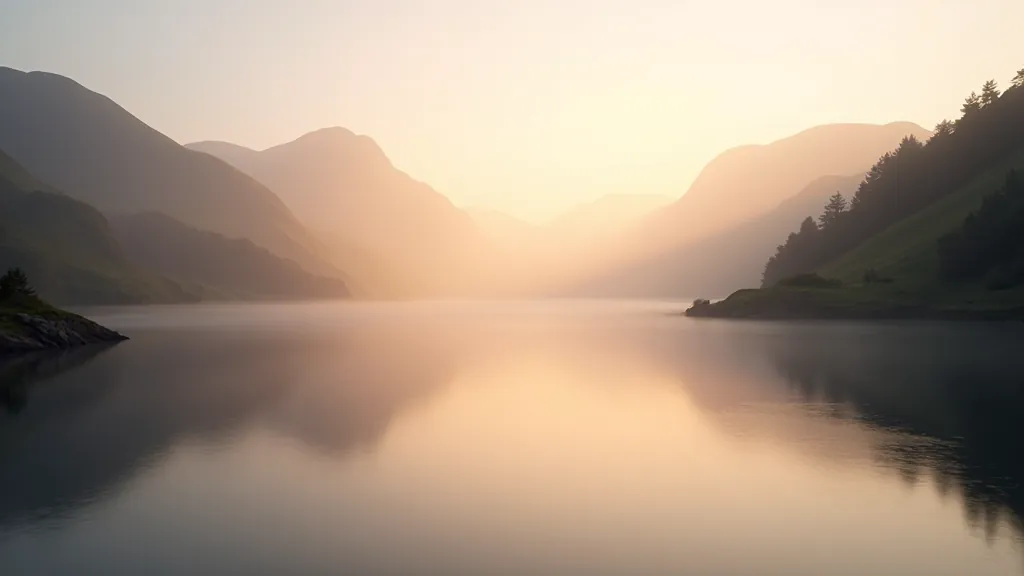
The most popular lakeside walk in the region. It's a gentle 6km loop with stunning valley views and a proper waterfall as your reward halfway through.
Read MoreEverything you need to stay safe, comfortable, and prepared on Comeragh Mountain trails
You don't need a lot to enjoy upland walking in Waterford. What you do need is the right gear for the mountain weather. That means waterproof layers, decent footwear, and a few essentials that'll keep you safe when conditions change — and they will.
This guide covers everything you should bring on an upland walk, from the obvious items to the ones most people forget. We've focused on what actually matters for older adults tackling the Comeragh paths, not a bloated packing list that'll weigh you down.
Three-layer approach keeps you warm and dry regardless of weather
Mountain conditions shift quickly — always bring more than you think you'll need
Good boots and proper socks prevent blisters and keep you enjoying the walk
The mountain doesn't care what you're wearing — it'll test it anyway. We're talking about wet wind, sudden temperature drops, and conditions that change every 500 meters of elevation. The three-layer approach works because it handles all of this.
Base layer: Merino wool or synthetic material that wicks moisture away from your skin. Cotton doesn't work — it absorbs sweat and keeps you cold. You want something that'll move moisture outward, not hold it against your body.
Mid layer: Fleece or lightweight wool provides insulation without weight. Pile fleece is affordable and practical. This layer traps warm air and continues wicking moisture if your base layer gets damp.
Outer layer: A waterproof jacket and trousers. You'll need this — not maybe, actually. Mountain rain on an exposed ridge isn't pleasant, and you're exposed on most Comeragh paths. Breathable waterproof fabric keeps you from getting soaked from sweat while blocking wind and rain.
Bring extras of everything. An extra base layer top weighs almost nothing and makes a huge difference if you get wet. Wool socks — at least two pairs — are worth every bit of space in your pack.
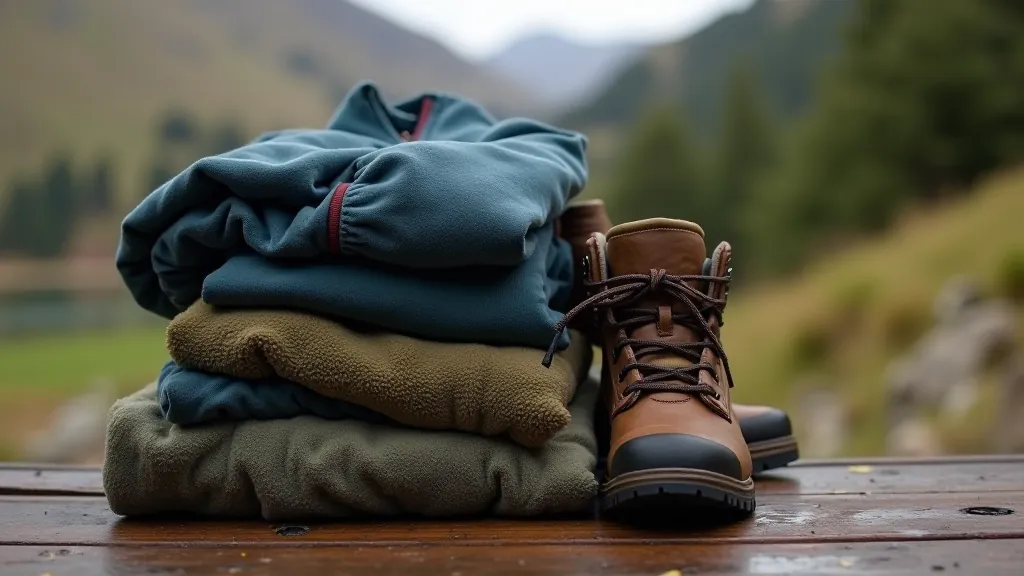
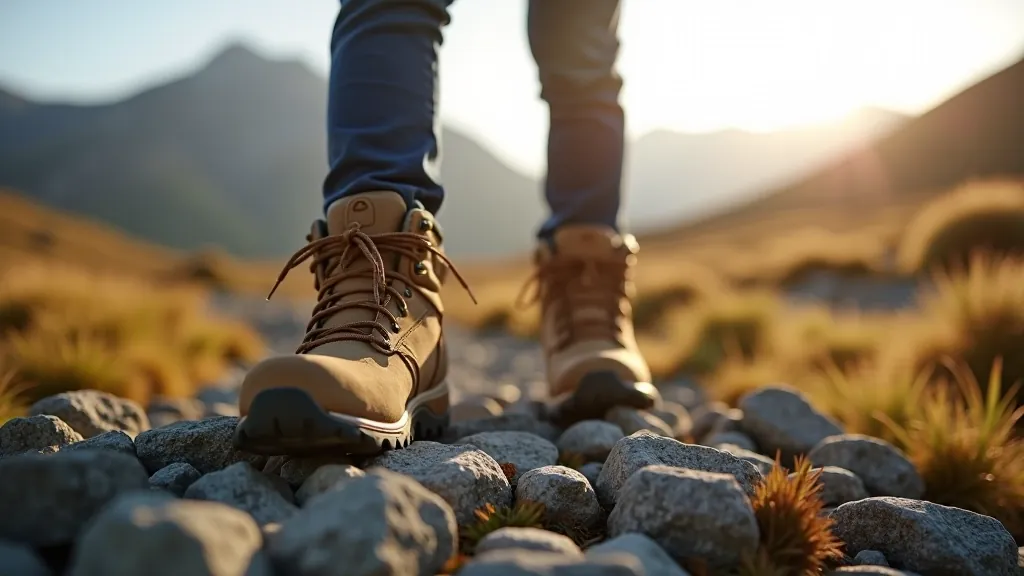
Your feet carry you up the mountain and back down. Proper boots make the difference between a pleasant walk and a painful slog that leaves you hobbling for days.
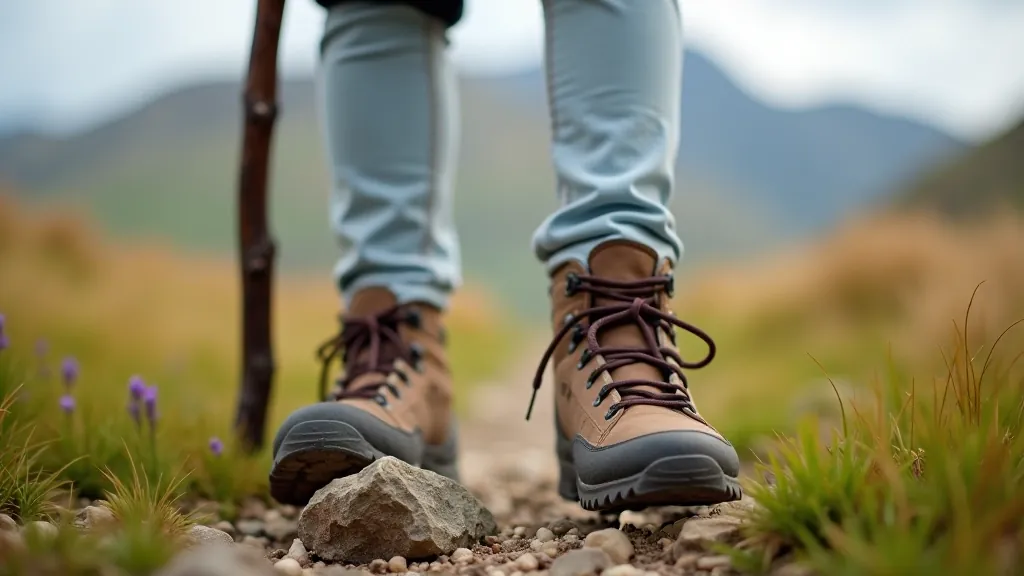
Waterproof hiking boots with ankle support are non-negotiable. Your ankles need the support on uneven terrain, and wet feet mean misery. Look for boots with good grip on wet rock — the tread matters more than you'd think on slippery terrain. Break them in at home before you take them on a proper walk. One walk in new boots teaches you this lesson the hard way.
Insoles matter more than most people realize. If your feet ache after walking, you're probably wearing the wrong insoles. Consider custom orthotics or quality replacements if standard insoles don't work. Your knees will thank you for the support.
Pack a spare pair of socks. A blister in one spot ruins a walk, but damp socks wreck your entire experience. Change into dry socks if yours get wet, and you've solved half your comfort problems right there.
These items aren't luxuries. They're the difference between handling a problem and having a crisis on the mountain.
Bring at least 1.5 liters of water. The Comeragh paths aren't near reliable water sources. Pack energy-dense snacks — trail mix, energy bars, dried fruit. You'll burn more calories than you expect on uphill sections.
Physical map and compass are non-negotiable. Don't rely on your phone for navigation — battery dies, signal drops. Know how to read a map before you head out.
Blister treatment, pain relief, antihistamine, and basic bandages. Include any personal medications you need. A small kit weighs nothing and solves most problems.
Sunscreen, hat, and sunglasses. Mountain sun is intense — you'll burn faster than you expect. Wind accelerates the burn. Hat protects your scalp and keeps sun from your face.
Phone with emergency numbers. Yes, it might not have signal, but it's your best option if you need help. Battery pack ensures you've got power when it matters.
Walks take longer than expected. A small headtorch ensures you're not scrambling down a mountain in darkness. LED headtorches weigh almost nothing and last for hours.
These aren't essential, but they make the walk more enjoyable. Pick and choose based on your preferences and how far you're walking.
Walking poles: They reduce strain on knees during descent, improve stability on uneven ground, and help with rhythm on long walks. If you've got joint concerns, poles are worth their weight. Most walkers in their 60s and beyond find they make a real difference.
Gaiters: Keep rocks and mud out of your boots. They're not essential, but they save your socks from getting filthy. Lightweight neoprene gaiters pack small.
Thermos: Hot tea or coffee on a cold mountain is more than comfort — it's morale. A small thermos adds minimal weight and reminds you that civilization still exists.
Camera: If you like photography, bring it. The views from the Comeragh ridges are worth documenting. Modern phones take decent photos, so you don't need dedicated gear.
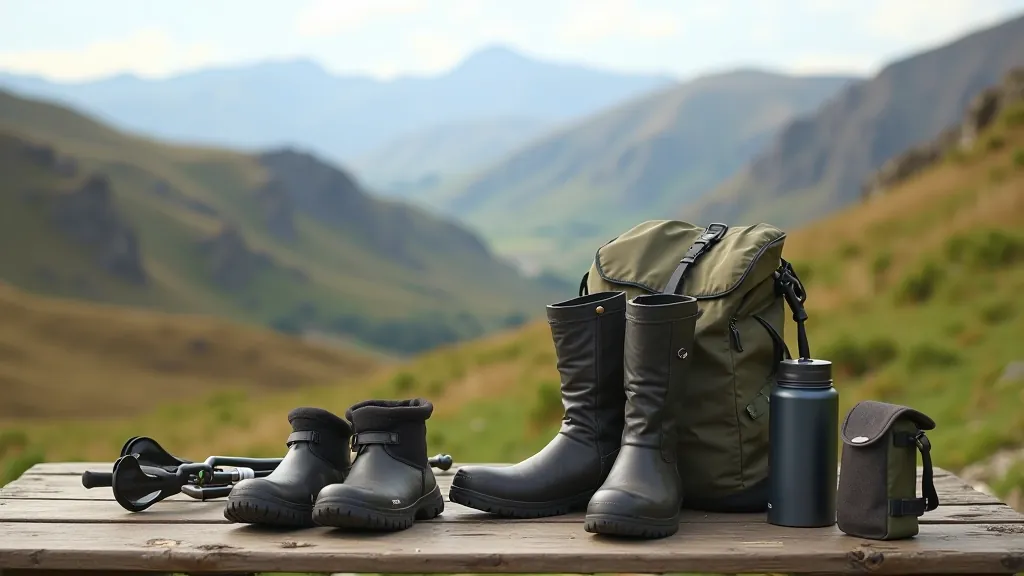
What you pack matters less than how you pack it. A well-organized pack is lighter and more comfortable than a random bundle of gear.
Heavier items (water, snacks, first aid) go in the middle of the pack, close to your back. This centers the weight and reduces strain on your shoulders.
Start wearing your waterproof layer. You can always remove it if you get warm. Packing it means fishing through your pack when weather turns.
Rolling clothes or using compression sacks reduces volume. Less bulk means easier packing and more space for essentials. Lightweight and reusable.
First aid kit, emergency contact, and flashlight go in an outer pocket where you can reach them without unpacking everything.
A common mistake is packing too much. Most upland walks in the Comeragh area take 3-5 hours. You don't need an expedition kit for that.
Aim for a backpack that weighs 5-8 kg (11-18 pounds) fully loaded. That's everything — water, snacks, clothing, safety gear. Anything over 10 kg becomes tiring on uphill sections, especially if you're over 60.
Every item should earn its space. Ask yourself: will I actually use this? If the answer is "maybe," leave it behind. You're walking mountains, not camping in the wilderness. Rescue services exist. You're not going off-grid for three weeks.
Consider a day pack (20-30 liters) rather than a large mountaineering pack. They're lighter, more comfortable, and designed for exactly this type of walk.
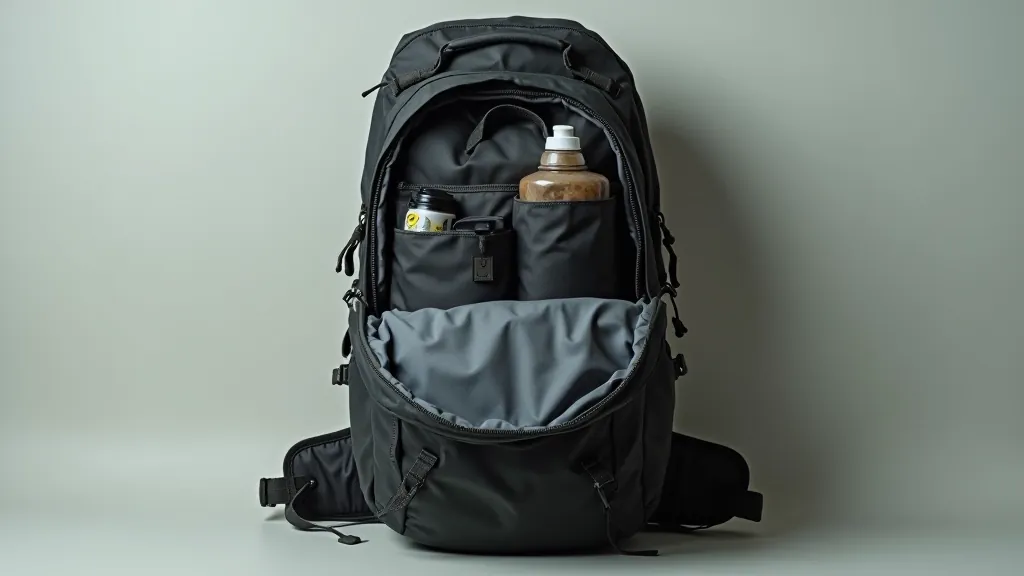
Good gear and smart packing transform how you experience the mountains. You'll stay comfortable in changing weather, your feet won't betray you halfway through, and you'll actually enjoy the walk instead of enduring it.
The Comeragh paths reward preparation. Start with what we've outlined here, adjust based on your experience, and don't overthink it. Most walkers figure out their perfect kit after a couple of outings. The important part is getting out there and walking.
There's no such thing as bad weather, only bad gear. Get the gear right and the weather stops being an excuse.
Check the weather forecast before you go, tell someone where you're walking and when you'll be back, and bring what we've covered here. You've got this.
This guide provides educational information about packing for upland walking. It's not a substitute for professional instruction, proper training, or guidance from qualified mountain professionals. Mountain conditions change rapidly and unpredictably. Always assess your own fitness and experience level honestly before tackling any upland path. If you're new to hill walking or have health concerns, consider joining a guided walk or seeking advice from experienced local walkers. Weather forecasts and trail conditions should be checked before every walk. Proper gear, fitness, and local knowledge matter more than this article. Enjoy the mountains responsibly.